Ads
SHEIN and Temu grew fast through huge app downloads, bold marketing, and massive product ranges. Their rise changed what shoppers expect: more frequent buys, lower prices, and endless variety.
This shift matters for anyone who shops on mobile apps and follows trends on Instagram or TikTok.
Ads
At scale, these platforms list thousands of new SKUs daily and refresh assortments quickly. That volume drives engagement and forces competitors to rethink inventory planning and pricing benchmarks.
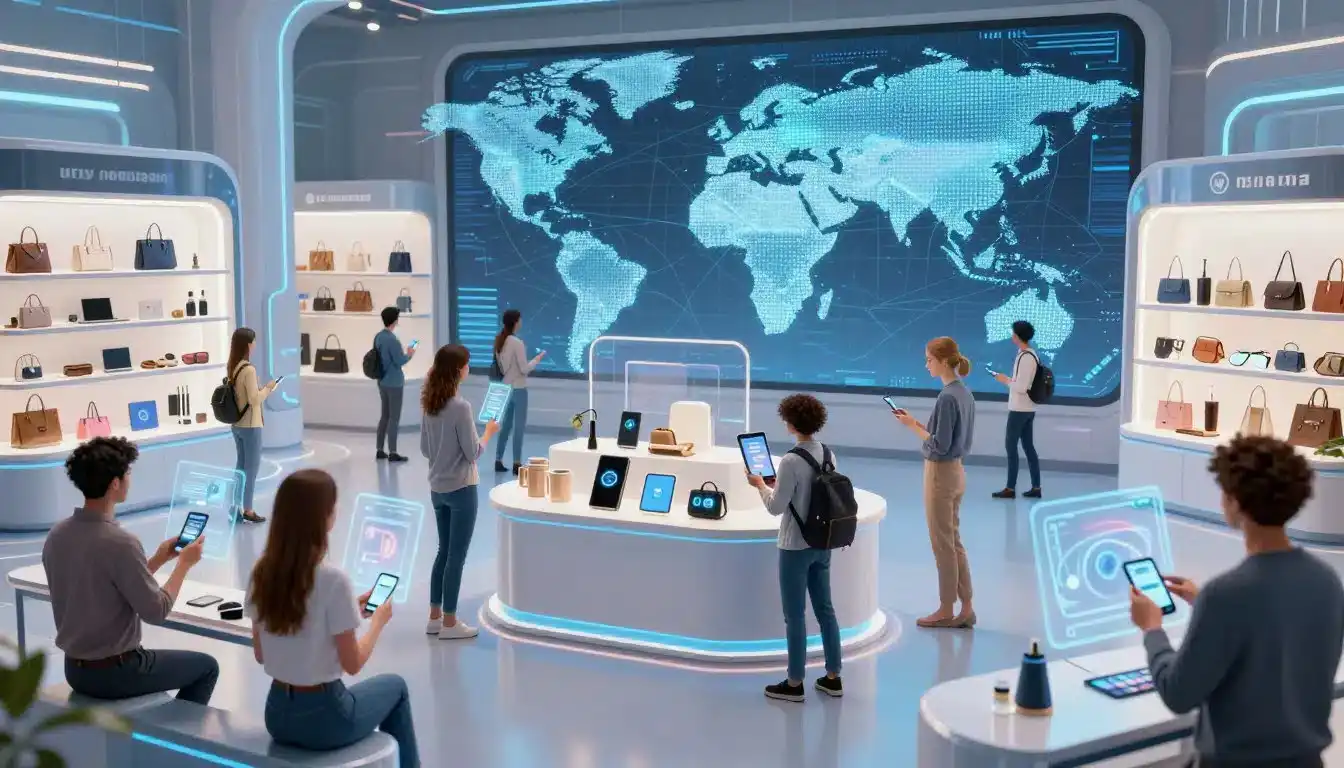
Retailers now track speed, assortment depth, and conversion as core signals. The Impact of SHEIN and Temu on Global Retail shows how these metrics reshaped e-commerce strategy and shopper behavior.
Key Takeaways
- SHEIN and Temu influence shopper expectations for fast drops and wide choice.
- High SKU turnover and category breadth drive frequent app visits.
- Retail success metrics shifted toward speed, assortment, and conversion.
- Competitors must adapt inventory and pricing to remain relevant.
- The Global Retail Impact of these platforms extends across digital and physical channels.
How SHEIN and Temu Have Reshaped Online Shopping Dynamics
Retail apps now move at a different pace. SHEIN and Temu have driven online shopping toward constant newness. Products last shorter, and impulse buys get more focus.
Shoppers often see new pieces. They expect low prices and quick choices.
Ultra-fast supply chains and real-time inventory
Brands work with tight supplier networks. They use short production runs to refresh catalogs quickly.
Ultra-fast supply chains let teams launch many small batches. They drop winners fast and retire weak products in days.
Tech tools help this speed. Inventory dashboards, reorder triggers, and synced vendor systems give real-time updates.
App catalogs stay fresh without delays. The shopper impact is clear. More styles appear and impulse buys rise.
Shoppers now expect constant newness and quick changes in what’s available.
Data-driven product development and trend forecasting
These platforms use user behavior, search data, social signals, and reviews. They decide what to make based on clicks and heat maps, not long trend cycles.
Teams run fast A/B tests by posting small runs. They scale up clear winners quickly to fit the market better.
This short feedback loop cuts guesswork. But ethical questions arise about data use and credit for original designers.
Brands must be transparent about using data. They also need to respect creators when algorithms shape collections.
Pricing strategies that prioritize scale and conversion
Pricing often favors ultra-low prices and loss-leader items. These attract more visitors to the sites.
Frequent discounts and flash deals train buyers to act fast. Shoppers buy without long thinking.
Dynamic pricing changes with demand in real time. Time-limited offers create urgency.
This leads to high sales but thin profit margins. Suppliers feel pressure to keep up or focus on niches.
Shoppers see more styles at lower prices. Fast turnover and mixed quality are common.
It’s smart to check reviews, sizing, and return policies before you buy.
The Impact of SHEIN and Temu on Global Retail
The rise of ultra-fast fashion platforms changes how people shop and what they expect from their purchases.
This section looks at changes in consumer habits, the effect on physical stores, and growing cross-border commerce.
This growth expands product assortment and increases shopping complexity worldwide.
Shifts in consumer expectations for speed and variety
Frequent new releases and expanding choices push shoppers to expect immediate options with fresh styles.
Apps and social media now guide discovery, surpassing seasonal catalogs in grabbing shoppers’ attention.
Buying cycles are shorter. People shop more often with smaller purchases instead of waiting for seasons.
This shift changes how brands plan their inventory and marketing strategies.
Effects on traditional brick-and-mortar retail foot traffic
Basic, trend-driven items sell mostly online, which cuts down visits to stores for quick buys.
Shoppers choose convenience and price on mobile before deciding to visit a physical store.
Stores respond by offering experiences, services, or curated selections to stay relevant and attract buyers.
Malls and shopping centers feel these effects in tenant choices, stock levels, and staffing needs.
Globalization of fast-fashion and cross-border commerce
Better logistics and cross-border marketplaces give shoppers access to many more products than before.
This increases competition for local brands on price and variety in many markets.
Cross-border trade adds new rules on returns, duties, and trust that affect retailers’ operations.
These challenges shape what shoppers expect when they check out online.
Quick shopper guidance:
- Weigh speed and price against quality and environmental impact.
- Evaluate items on fit and fabric before you buy multiple low-cost pieces.
- Use app tools and reviews to spot trustworthy sellers when comparing SHEIN vs Temu or other platforms.
SHEIN vs Temu: Business Models and Competitive Differentiation
This comparison shows how platform choices shape price, selection, and delivery for shoppers.
It explains Marketplace vs owned-inventory trade-offs and Marketing channels that drive app installs.
Logistics partnerships that move goods quickly are also outlined.
Marketplace structure versus owned inventory approaches
Marketplaces host many third-party sellers and offer vast assortments quickly. This helps scale variety while keeping platform overhead low.
Quality can vary, and customer support may feel fragmented.
Owned-inventory models control stock and the supply chain tightly. Retailers set stricter quality standards and return policies.
This method needs more capital for buying and warehousing.
- Pros of marketplace: rapid assortment growth, lower inventory risk, faster product testing.
- Cons of marketplace: inconsistent quality, fragmented supplier relations, harder to enforce standards.
- Pros of owned inventory: uniform quality, stronger brand control, predictable fulfillment costs.
- Cons of owned inventory: higher working capital needs, inventory risk, slower to expand variety.
These choices affect pricing, supplier ties, and product discovery on the app.
This contrast is key when weighing SHEIN vs Temu in selection and trust.
Marketing channels: social commerce, influencers, and paid media
Both use short videos, creator seeding, affiliate deals, and targeted ads to boost installs.
The approach leans on social proof and trends to increase conversions.
- User-generated content and livestreaming create urgency and social proof.
- Micro-influencers reach niche audiences with higher engagement at lower cost.
- Paid media targets installs and measures success through ROAS and LTV.
Teams focus on app installs, return on ad spend, and customer lifetime value.
They quickly test creative and placements to find what converts best.
Logistics partnerships and last-mile strategies
Efficient delivery relies on a layered network: global carriers, regional hubs, and local couriers.
This setup reduces transit time and shipping costs.
- Consolidated shipping lowers per-unit costs by grouping orders.
- Distributed warehouses keep stock close to demand hotspots.
- Pickup points speed last-mile delivery.
Returns and cost-sharing with suppliers impact final economics.
Clear tracking and shipping transparency improve customer satisfaction and reduce support issues.
Comparing these elements shows why analyzing SHEIN vs Temu is complex.
Customer experience depends on how each balances Marketplace vs owned inventory, Marketing channels, and Logistics partnerships.
These factors are key in ongoing Retail Industry Disruption.
Retail Industry Disruption and the Fashion Industry Evolution
Fast marketplaces have pushed the conversation on change. Retail Industry Disruption from ultra-fast models has forced established brands to reassess speed, price and product mix.
Impact on legacy brands and mid-market retailers
Legacy names face pressure from low-cost, fast-turn players that compete on price and speed. This leads to margin compression and SKU rationalization.
Teams cut slow sellers to improve efficiency. Many retailers speed up digital transformation to keep pace. Some focus on quality, craftsmanship, and customer service.
Response strategies: collaboration, vertical integration, and niche positioning
- Partner with suppliers for quicker cycles and smaller minimums.
- Vertically integrate manufacturing to control timing and costs.
- Focus on a niche audience with curated assortments and stronger brand stories.
Brands use limited drops and richer product stories to compete on value beyond price. Testing, analytics, and data guide assortment decisions. This also helps reduce waste.
Sustainability debates and regulatory scrutiny affecting industry evolution
Fast production raises sustainability debates about waste, labor, and product lifecycles. Discussions now include repairability and longer-use strategies for purchases.
Regulators focus on transparency, labeling, and environmental reporting. Shoppers and brands now weigh certifications and authentic claims carefully.
Retailers who move beyond price-only competition and make honest sustainability choices keep loyal customers. This happens in a market shaped by SHEIN, Temu, and the broader Fashion Industry Evolution.
E-commerce Trends Driven by SHEIN and Temu Influence
The rise of fast-fashion marketplaces shaped clear e-commerce trends that center on speed, habit, and conversion. Mobile users expect slick apps, smart suggestions, and checkout that feels effortless. Brands copying these trends aim to boost engagement and customer lifetime value.
Mobile-first shopping now means design for thumbs, not desktops.
- Infinite-scroll catalogs and short-form video keep browsing fluid.
- Gamified discounts and one-tap checkout cut friction at purchase.
- Push notifications, in-app events, and daily deals turn visits into routines.
Product pages load fast. They show visual-first listings with simple filters. These patterns come from SHEIN and Temu’s influence on app and UX choices.
Personalization is driven by behavior signals, not guesswork.
- Recommendation engines use clicks, dwell time, and purchase history to surface what feels relevant now.
- A/B tests for thumbnails, titles, and images lift click-through rates on feeds and emails.
- Ethical AI practices include clear privacy notes and opt-outs for tailored feeds.
Real-time merchandising blends trending feeds with curated drops to keep discovery fresh and conversion high. These tactics push retail toward more individualized shopping.
Payment flexibility reduces cart abandonment and can raise average order value.
- Options like installments and digital wallets lower upfront friction.
- Returns policies balance convenience and cost with prepaid labels and set return windows.
- Loyalty perks and repeat-purchase incentives are tracked against customer lifetime value to justify acquisition spend.
Shoppers should look for apps that pair easy checkout with clear return terms and honest delivery timelines. This combination signals a brand tuned to current e-commerce trends and user needs.
Conclusion
SHEIN and Temu changed how we expect speed, variety, price, and mobile shopping. Their models pushed retailers to speed up inventory, marketing, and app design. This shapes many current e-commerce trends and fuels change in retail.
This shift has a balanced side. Consumers get more choices and lower prices. Still, questions about quality, sustainability, and long-term effects remain.
Comparing SHEIN vs Temu shows different ways to grow. Both pressure old brands to adapt or focus on specialties.
Practical steps help you navigate this new market. Check price, delivery time, and reviews before buying. Choose brands that clearly share sourcing and practices.
Staying informed helps you enjoy SHEIN and Temu’s impact on global retail. It also keeps your values clear and strong.
Content created with the help of Artificial Intelligence.